Factory-direct seamless & line pipe supply
Coated line pipe prepared for new energy transmission service
SPECIAL GRADE 03 — HYDROGEN & NEW ENERGY

Hydrogen pipe supplier — ASME B31.12 and API 5L PSL2 project materials

Pipe for pure hydrogen service, hydrogen blending into gas networks and new-energy transmission projects. Material selection follows the named hydrogen pipeline standard, with controlled chemistry, hardness, toughness and non-destructive examination confirmed against the project specification.

Quick quote — send your line list

For a comparable quote, include standard/grade/PSL, NPS or OD x wall thickness, quantity and destination port. Download RFQ template.

WHY HYDROGEN IS DIFFERENT

Hydrogen piping materials: three effects drive the material choice

Hydrogen piping materials are not selected from a grade name alone. Hydrogen embrittlement, hydrogen corrosion and leakage are the three effects that drive the design: steel grade, heat treatment, welding procedure and inspection are selected around those risks. API 5L PSL2 pipe may be the starting product specification, but the project must define the code path, operating pressure, design temperature, hydrogen purity or blend, toughness and hardness limits.

Pipe supplied for hydrogen service carries the chemistry and hardness controls the project standard requires, together with welding procedure qualification and heat treatment records where applicable.

Pure hydrogen transmissionHydrogen blending into gas gridsAmmonia & methanol plants Green hydrogen exportRefinery & petrochemical H2New-energy gas transmission
Design standardsASME B31.12, CGA G-5.6, AIGA 033/14
Typical gradesAPI 5L PSL2 X42/L290, X46/L320, X52/L360, X60/L415, X65/L450
ChemistryLow carbon and low sulphur, restricted carbon equivalent (CE / Pcm) per project
HardnessHardness limits agreed per project specification
TestingCharpy impact testing, UT / RT weld inspection, hydrostatic test
DocumentsEN 10204 3.1 mill certificate, WPS / PQR records, heat treatment records
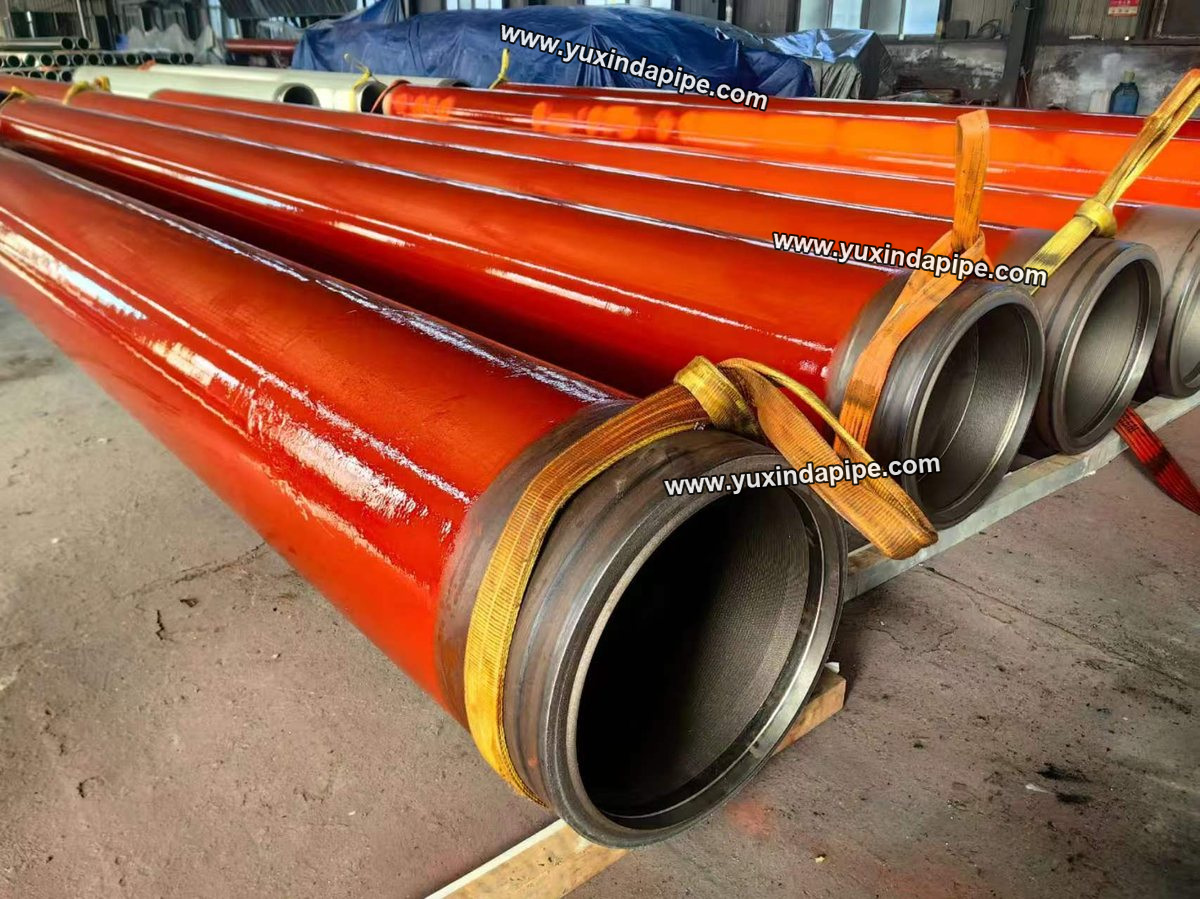
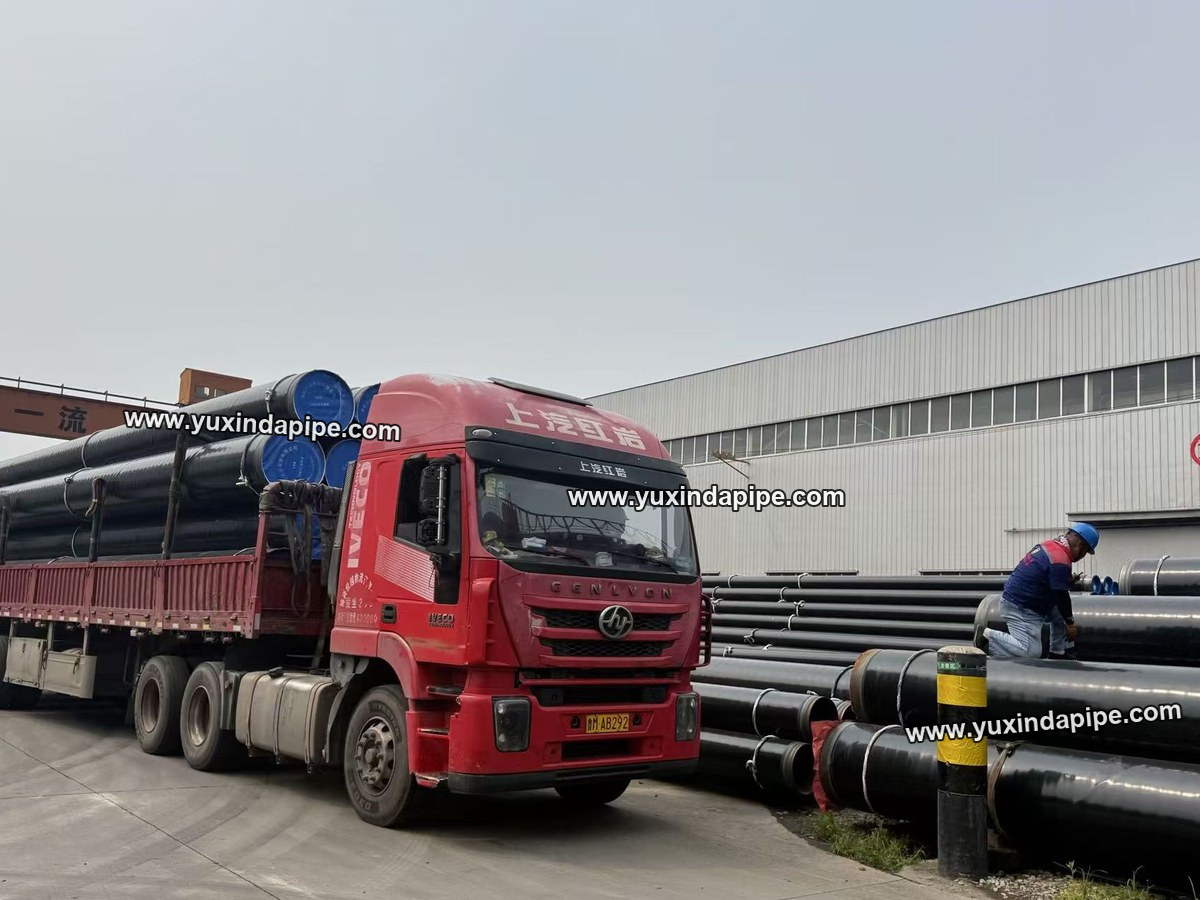
FBE coated pipe ready for hydrogen transmission service
Coated pipe prepared for buried transmission service

Hydrogen pipeline standards

StandardScope
ASME B31.12Hydrogen piping and pipelines (United States)
CGA G-5.6Hydrogen pipeline system (Europe)
AIGA 033/14Hydrogen pipeline system (Asia)

Pipe for hydrogen or blended service is quoted against the project's nominated design standard. Material, welding and inspection requirements are confirmed in writing before production.

Material controls

Hydrogen service is a qualification decision, not a grade label

X65 is a controlled strength range, not a single 450 MPa value. The PSL, delivery state, chemistry, toughness, hardness and testing route must be fixed together.

ControlWhat the project should defineEvidence to verify
Code pathASME B31.12 Part IP or PL and Option A or B where applicable, or the nominated CGA/AIGA basis.The purchase specification names the code, edition and qualification route.
PSL, grade and stateAPI 5L PSL2 grade and delivery state such as X52N, X60Q or X65Q/M, within the approved supply scope.MTC and technical offer show grade, state, standard edition and chemical limits.
StrengthPSL2 minimum and maximum yield/tensile and maximum yield-to-tensile ratio.Actual mill results are compared with the applicable grade and project limits.
ChemistryCarbon, sulphur, phosphorus, CE / Pcm and any project-specific element limits.Heat and product analysis are traceable to the pipe and order.
ToughnessCVN test temperature, minimum absorbed energy, specimen size, orientation and frequency.The MTC and inspection plan state the test condition and actual result.
Hardness and NDTMaximum hardness, weld/HAZ checks, UT/RT and acceptance level where required.Test reports, method, coverage and witness points are agreed before production.

Boundary: API 5L PSL2 compliance does not automatically establish ASME B31.12 hydrogen qualification. X70 or X80 hydrogen service requires project-specific evidence and qualification that must not be inferred from the API grade alone.

How MTC, CVN, NDT and third-party inspection fit together

Inside the works & at loading

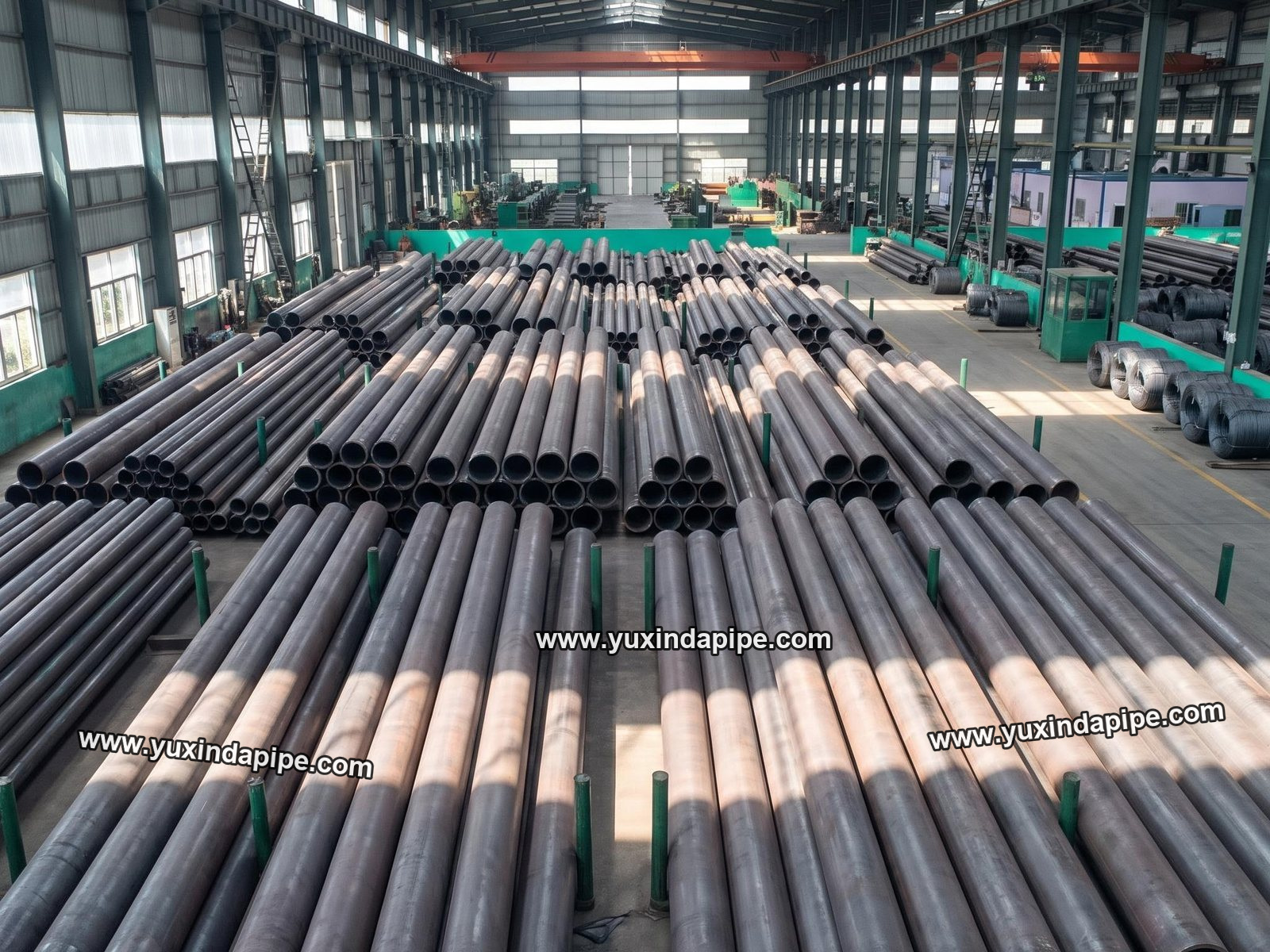
From steel to loading: hydrogen-ready pipe in the works

Photographs from the mills and from the loading bay wherever this pipe is produced and shipped. Chemistry and hardness limits are agreed with the mill before rolling; loading is photographed and sent to you before departure.

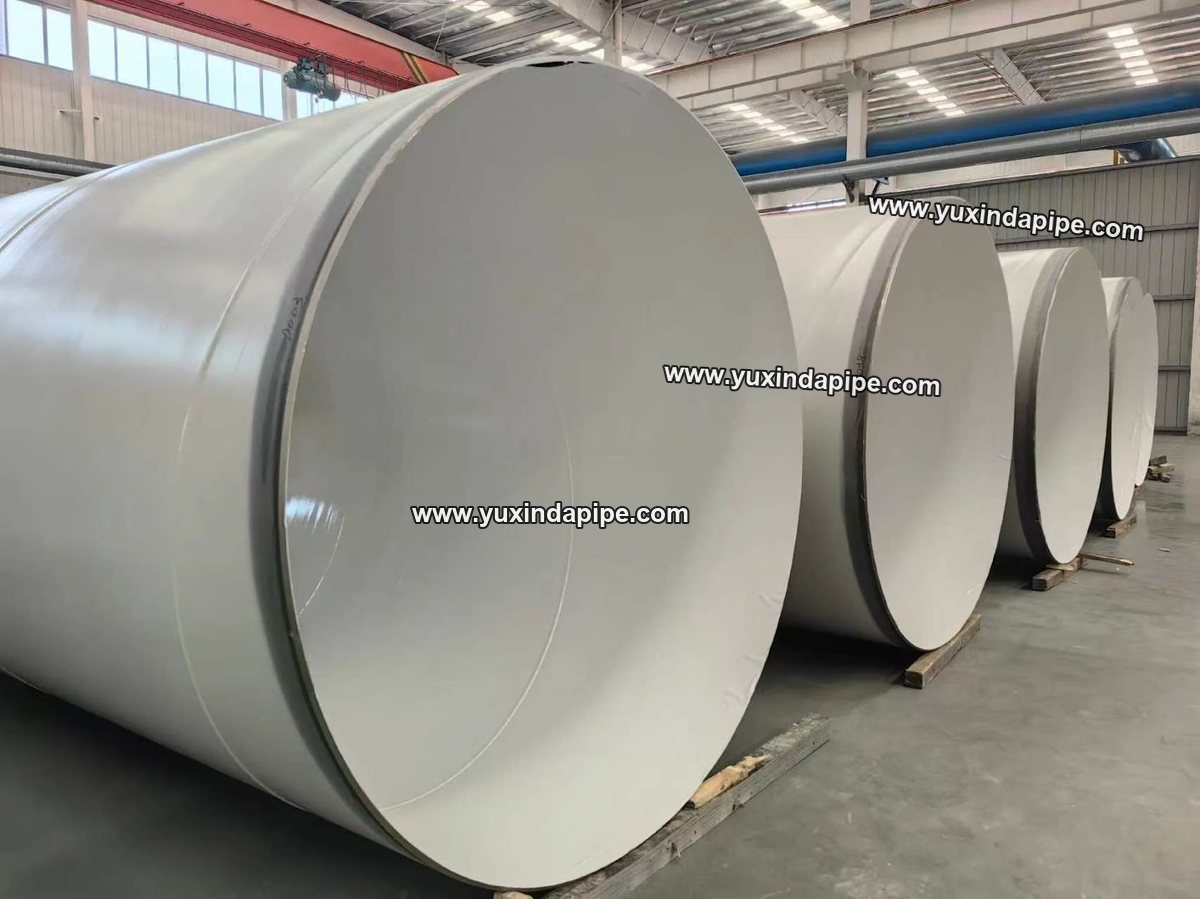
Large diameter pipe ends
Large diameter pipe endsBevelled ends ready for site welding; wall thickness checked pipe by pipe.
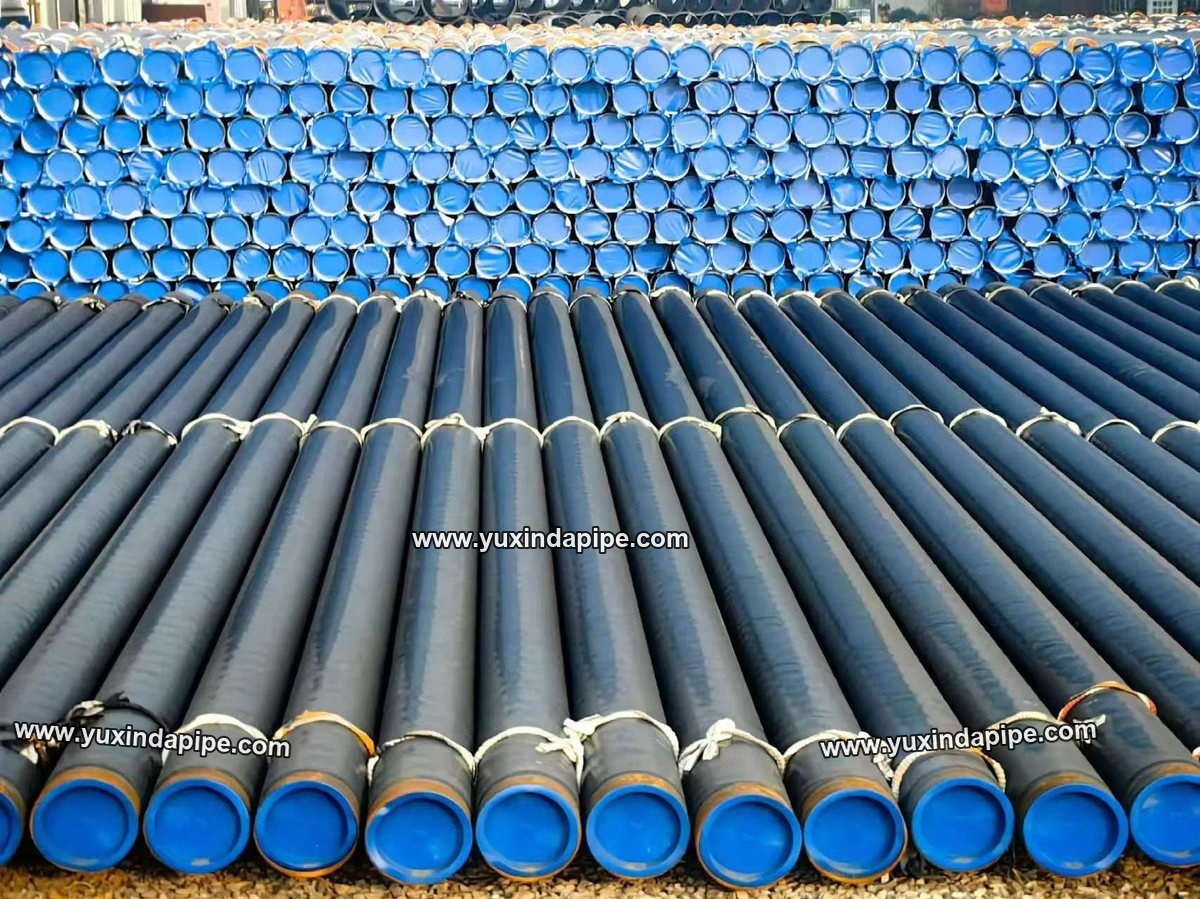
Handling with end protection
Handling with end protectionEnds capped or protected so the bevel arrives clean at the welding spread.
Seamless pipe stock
Seamless pipe stockSeamless stock with protected ends, separated by size and heat number.
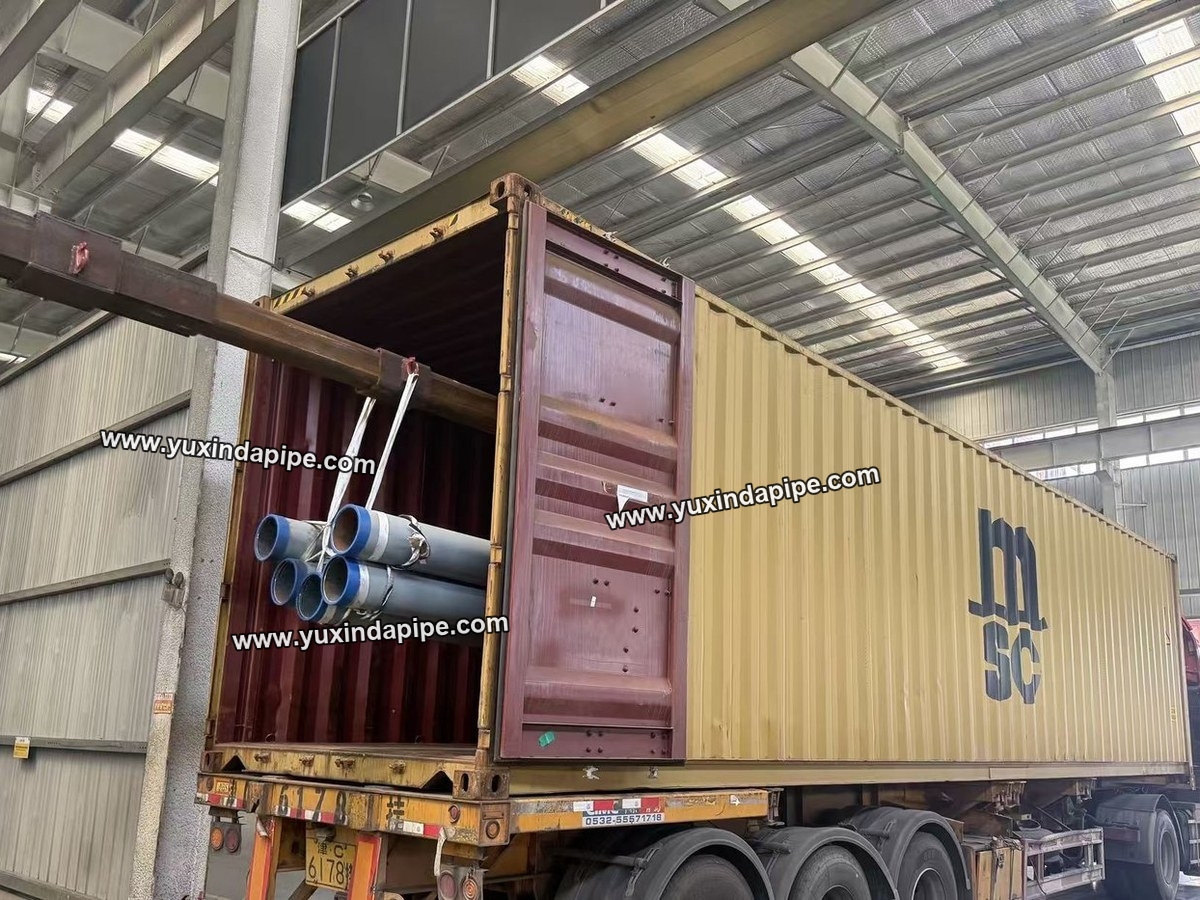
Loaded into the container
Loaded into the containerLoading supervised at the works; the count and photographs go out the same day.
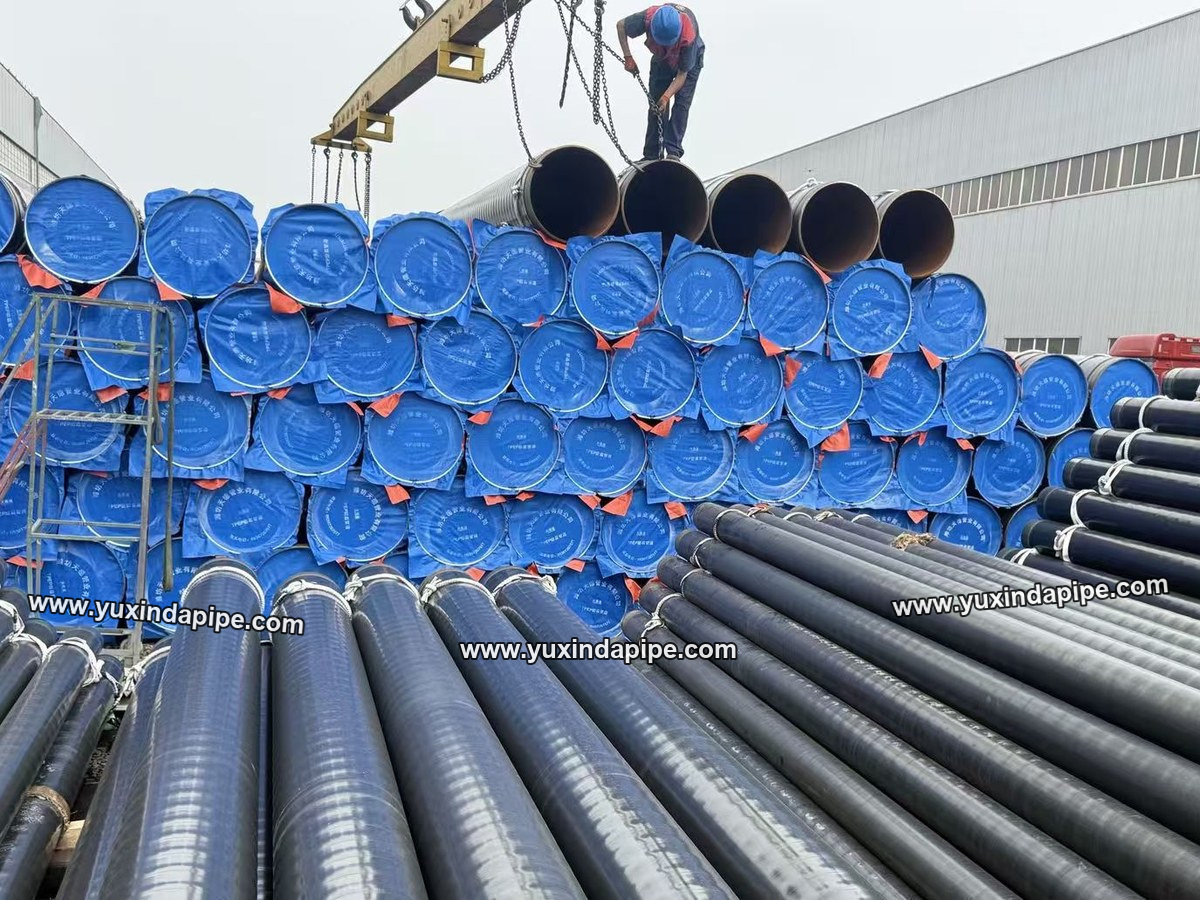
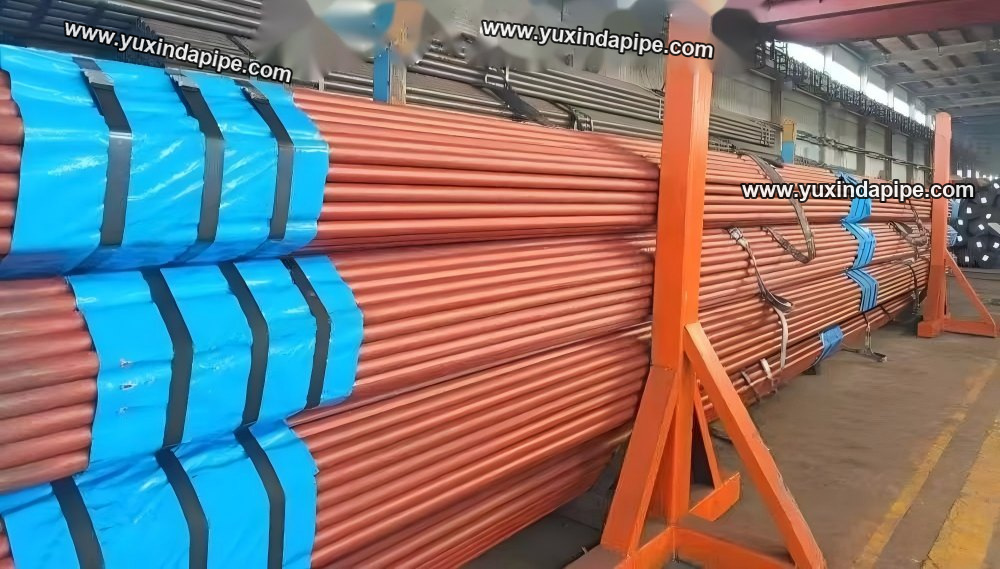
Strapped and loaded
Strapped and loadedBundles strapped and marked with size, grade and heat number before dispatch.
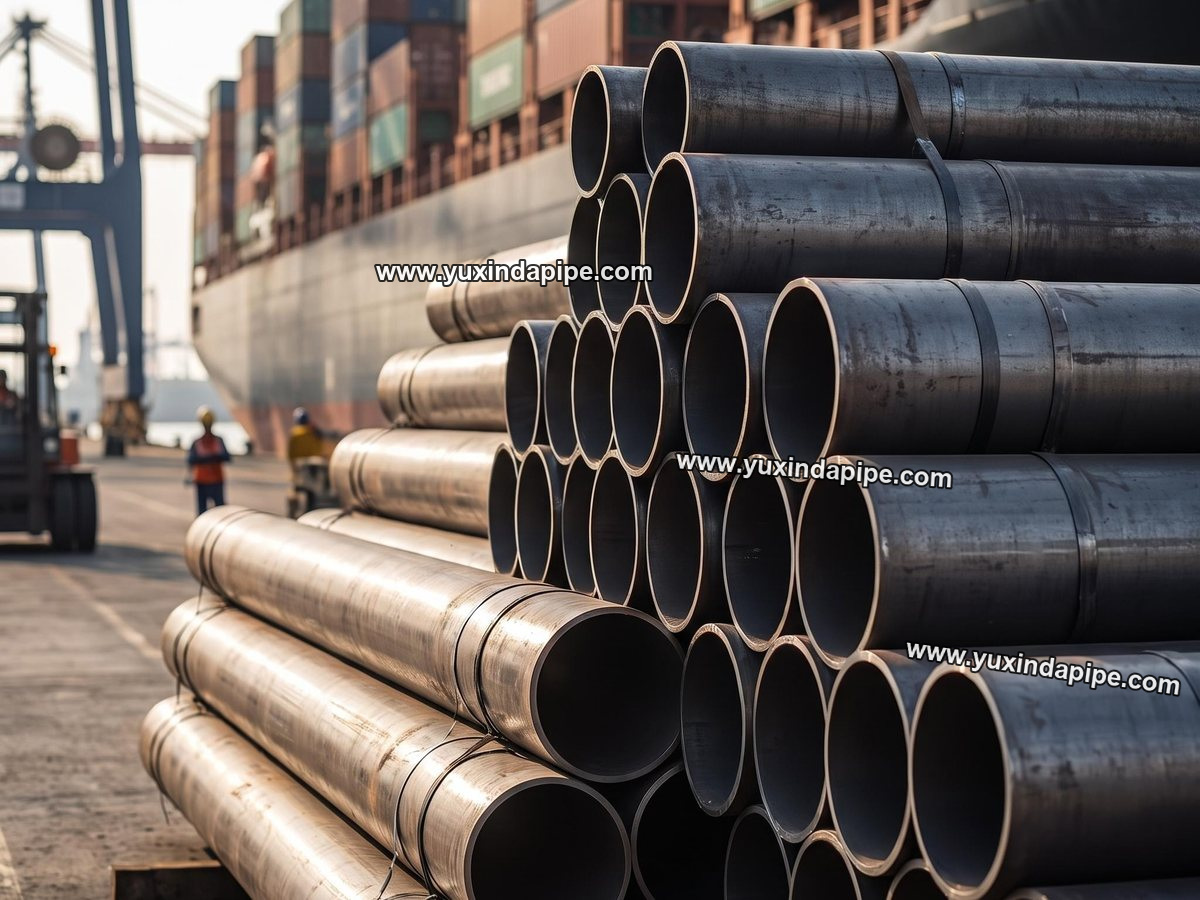
On the quay at Tianjin
On the quay at TianjinLarge-diameter pipe ships breakbulk or on deck, loaded under supervision.
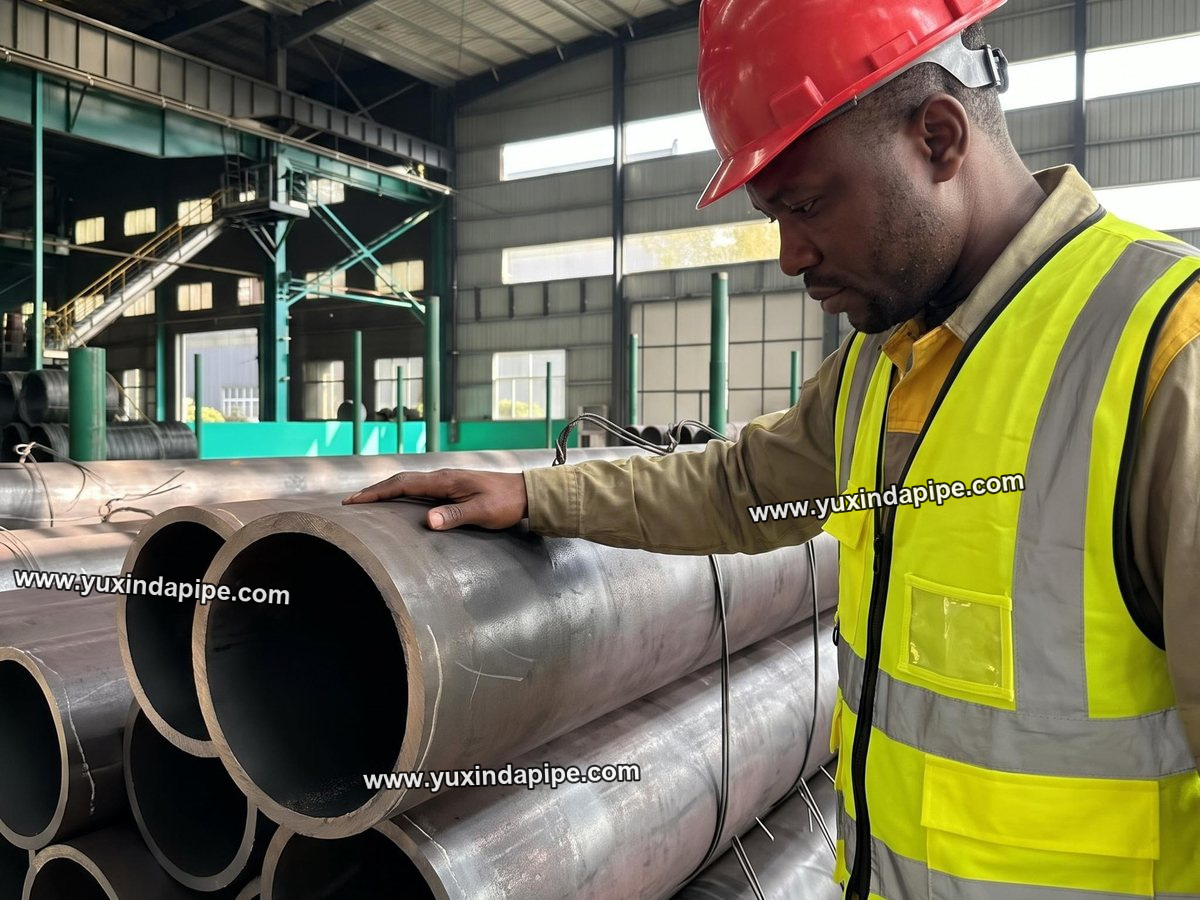
Dimensional check
Dimensional checkDiameter, ovality and wall thickness verified against the line list.
Stock and despatch
Stock and despatchPipe released to the loading bay against the packing list.
Hydrogen service

What hydrogen changes for the steel

Hydrogen is not a reason to invent a new alloy: it is a reason to control the chemistry, the hardness and the testing more tightly than a standard gas line. We agree those limits with the mill before the pipe is rolled, and quote them in writing.

Controlled chemistry

Carbon equivalent (CE / Pcm), sulphur and phosphorus limits agreed against the design code named in your specification — ASME B31.12 Option A or B, CGA G-5.6 or AIGA 033/14. Chemistry is confirmed on the mill certificate before the order is released.

Hardness and toughness

Hardness limits and Charpy V-notch impact testing at the agreed temperature, so the material is not sensitive to hydrogen embrittlement and does not crack when the line is commissioned or cycled.

Full NDT

Ultrasonic or radiographic inspection of the welds, dimensional checking and hydrostatic testing on every pipe — the test programme is stated in the quotation, not added later.

How we quote a hydrogen line

Four steps from your line list to a firm quotation

Reference price: USD 690–780 per metric tonne FOB any Chinese port for standard bare hydrogen-service pipe, subject to grade, wall thickness, testing, coating and order quantity. Coating, third-party inspection, ocean freight, insurance and bank charges are excluded; the signed contract governs.

Please include

  • Outside diameter, wall thickness and length
  • Grade and design code — ASME B31.12 / CGA G-5.6 / AIGA 033/14 / EN 1594
  • Operating pressure, design temperature and hydrogen blend percentage
  • Quantity (metres, joints or tonnes) and the destination port
  • Coating or lining, and whether ends are bevelled or capped
  • Inspection requirement: mill certificate only, or third-party attendance

What you get back

  • Confirmed grade, wall thickness and rolling programme
  • Chemistry and hardness limits stated for approval before rolling
  • Test programme: Charpy temperature, NDT method, hydrostatic pressure
  • Firm quotation — unit price per tonne, total weight, Incoterm, lead time
  • Mill certificate EN 10204 3.1 for review before the deposit
  • A named engineer who follows the order to arrival

Send a hydrogen line list

Same works, same documents

Other pipe quoted on the same order

Hydrogen projects also need conventional API 5L line pipe and seamless pipe. We quote the full line list on one invoice — one loading plan, one certificate pack.

LSAW line pipe — API 5L PSL2

Ø406–1422 mm, Gr.B/L245 to X80/L555, wall up to 52.37 mm, 3PE or FBE coated. See the LSAW range →

Seamless line pipe and utility pipe

DN15–DN600 seamless pipe to API 5L, ASTM A106 and ASTM A53 for project tie-ins and utility systems. See the seamless range →

Hydrogen transmission pipe — questions buyers ask

Which steel grades are used for hydrogen pipelines?
Pure hydrogen service is normally specified in API 5L PSL2 grades up to X52/L360 or X65/L450, with low carbon, low sulphur and restricted carbon equivalent and hardness. Higher grades such as X70 or X80 require project-specific qualification for hydrogen service.
Which standards apply to hydrogen pipelines?
ASME B31.12 covers hydrogen piping and pipelines in the United States, CGA G-5.6 covers hydrogen pipeline systems in Europe, and AIGA 033/14 covers the Asian Industrial Gases Association hydrogen pipeline system. Project specifications normally name one of these as the design basis.
Can the same pipe be used for hydrogen blending?
Blending into existing natural gas networks is assessed case by case: blend percentage, operating pressure, existing grade and toughness govern. Blended service normally requires API 5L PSL2 pipe with a certified Charpy impact result.
Can API 5L pipe be used for hydrogen service?
API 5L PSL2 pipe can be used where the project applies a hydrogen design code. ASME B31.12 requires additional controls on chemistry (carbon equivalent, sulphur, phosphorus), hardness and testing, depending on whether Option A or Option B is applied. We quote to the code named in your specification and confirm the mill's chemistry and hardness limits in writing before the order is placed.
Does API 5L PSL2 automatically satisfy ASME B31.12?
No. API 5L PSL2 is a product specification level and does not by itself establish ASME B31.12 hydrogen qualification. The project must define the B31.12 path, grade and delivery state, chemistry, hardness, CVN conditions, NDT and any fracture-control requirements. The actual pipe must then be supported by the corresponding mill and inspection records.
What do you need in order to quote hydrogen pipe?
The line list or tender document with outside diameter, wall thickness, grade, length and quantity, plus the design code, operating pressure, design temperature and hydrogen blend percentage, the coating and the destination port. With that we return grade, wall thickness, test programme, price and lead time in one document.
Request a quotation

Send your line list — a firm quotation follows.

Send the standard, outside diameter, wall thickness, grade, quantity and destination port. If you only have a tender document or a piping class, send that instead — we will read it and come back with the pipe specification.

Sales e-mailinfo@yuxindapipe.com
WhatsApp / Phone+86 188 9221 5978
LinkedInJiangyu Xue on LinkedIn — sales contact, replies in English
Export base & portTianjin, China — 40 minutes from Tianjin Port
Working hoursMonday–Saturday, 08:30–20:00 (GMT+8)
LanguagesEnglish · Français · العربية · Português

Your details are used only to answer this enquiry. No mailing list, no third parties.

QUOTE-READY SPECIFICATION

Send the details needed for a comparable quotation.

Include the product type, standard and grade/PSL, NPS or OD x wall thickness, quantity, length, coating and inspection requirements, destination port and Incoterm. A tender document or line list is even faster.

  • Standard / grade / PSL
  • NPS or OD x wall thickness
  • Quantity and length
  • Coating and inspection
  • Destination port and Incoterm
One accountable export partner
  • Specification review: we check the standard, grade, dimensions and ordering data before quotation.
  • Inspection and release: we coordinate the agreed inspection, document checks and release evidence.
  • Delivery: we manage the agreed Incoterm, export documents and loading record.

Upstream mill identities and allocation details remain confidential.

The enquiry opens in your e-mail application with all the details already filled in, so you keep a copy of what you sent.

Have a tender document or a line list?

Send it as it is. You will receive the material confirmation, the weight calculation and the price.

Request a quotation Chat on WhatsApp
💬Chat on WhatsApp ↑